Thermal Spray Foam Removal in London done cleanly and fast
Thermal Spray Foam Removal in London is the safe extraction of failed or non-compliant spray foam insulation from lofts, roofs, cavity walls and commercial units. We handle open cell and closed cell foam, protect your timbers, and leave the space ready for a compliant insulation system. If a lender, surveyor or buyer has flagged your foam, we can help this week.
Service overview
What Thermal Spray Foam Removal in London involves
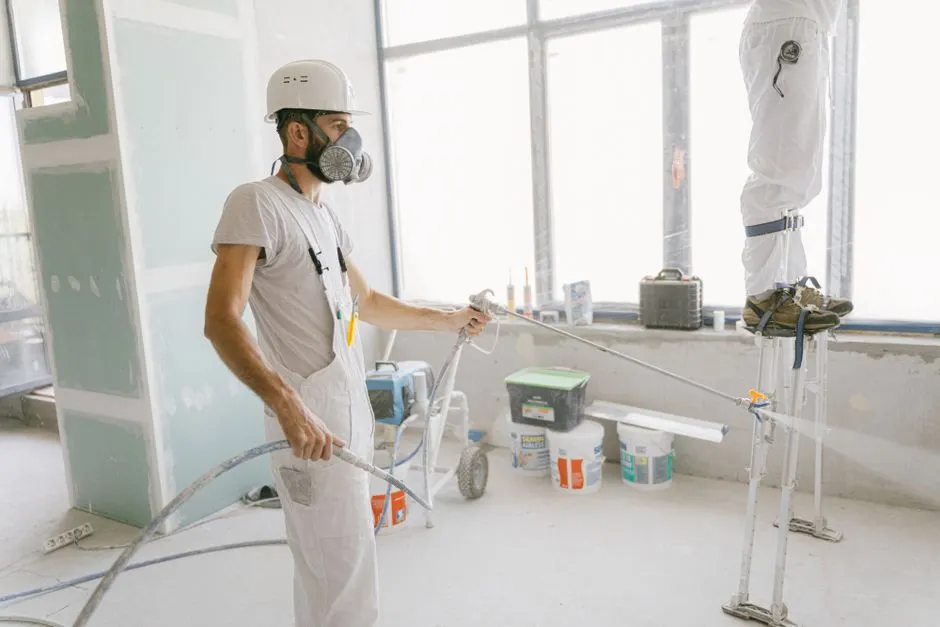
Thermal Spray Foam Removal in London is the controlled extraction of cured polyurethane foam from roof voids, lofts, cavity walls and commercial buildings. Foam is cut back with a spray foam removal saw and thermal cutting tools, then lifted out with an industrial vacuum before the timbers are cleaned and inspected. We work to Building Regulations Part L guidance, use PPE respirator kit and air scrubbers on every job, and bag all waste for licensed disposal. Most lofts come out in a single day. London homeowners call us for a few recurring reasons: a surveyor has flagged spray foam insulation failing building regulations, a mortgage lender has refused a loan, or roof timber rot from trapped moisture is showing in the rafters. Victorian terraces in Islington and Camden trap condensation under closed cell spray foam, while newer builds in Stratford often have open cell foam bridging the vapour barrier. If you have been searching for thermal spray foam removal near me London, we cover every borough.
! Problems we solve
Mortgage lender refuses to lend on a foam-insulated property
Your sale falls through, your remortgage is blocked, and the property becomes hard to value. Buyers walk away once they see the surveyor's note, and the longer it sits, the more the asking price is questioned.
Roof timber rot from moisture trapped under closed cell foam
Rot spreads along rafters and into the roof deck. Left for a season or two, you are looking at replacing structural timber, not just removing foam, and the cost multiplies quickly.
Attic condensation and damp patches from blocked ventilation
Moisture condenses on cold surfaces, drips onto stored items and stains ceilings below. Over time it damages plasterboard, insulation and anything stored in the loft, and it makes the whole house feel damp.
Scope of work
What our Thermal Spray Foam Removal includes
Every removal job includes the survey, the extraction, the clean-up and the paperwork. What varies is the foam type, the access and whether the timbers need treatment. We confirm all of that at survey so the price you agree is the price you pay.
-
01
Free on-site survey
We visit your property, identify the foam type, measure the area and check the timbers for rot or damp. You get photographs and a fixed written price, usually within four hours. There is no charge and no obligation to book the removal.
-
02
Full foam extraction
We remove all accessible foam from rafters, felt, joists and wall cavities using saws, thermal cutters and industrial vacuums. Residual adhesive is scraped back so the surface is ready for new insulation. We work room by room to keep dust contained.
-
03
Dust control and clean-up
Air scrubbers run throughout the job, and we vacuum every surface before we pack up. Dust sheets protect floors and furniture, and doorways are sealed. Customers regularly comment that the loft is cleaner after we leave than before we arrived.
-
04
Written removal report
You receive a report with before-and-after photographs, the foam type removed, the area covered and any timber issues found. It is written for lenders and surveyors, so you can forward it directly to support a mortgage application or property sale.
Why London homeowners remove spray foam
Removing failed foam is rarely about the foam itself. It is about the survey, the mortgage, the damp patch on the ceiling and the buyer who walks away. Here is what changes once the foam is out.
Get a quoteTools and methods we use
Spray foam removal saw
Cuts through dense closed cell foam in straight lines without tearing the felt or rafters underneath. We use it for the bulk of the extraction on loft and roof jobs.
Industrial vacuum with HEPA filtration
Lifts foam fragments and fine dust out of the loft as we cut, keeping the air clean and stopping particles drifting into the rest of the house.
Air scrubber
Runs continuously during removal to filter airborne particles and any residual isocyanate odour. Essential on jobs where the loft connects directly to living space.
Oscillating multi-tool and chisel set
Reaches into corners, around pipework and behind water tanks where a saw will not fit. We use it to scrape residual foam adhesive from timbers before inspection.
Local execution
London's building stock makes spray foam removal different from anywhere else in the UK. Victorian terraces in Islington, Camden and Hackney have shallow roof voids and old felt that tears easily, so we favour hand tools and dry ice blasting over saws. Post-war semis in Croydon and Bromley often have foam sprayed over mineral wool, which means two removal stages. New-build flats in Stratford and Canary Wharf tend to have open cell foam bridging the vapour barrier, a common cause of attic condensation from spray foam. The damp climate is the other factor. Foam that performs acceptably in a dry county traps moisture here within a couple of winters, which is why roof timber rot from trapped moisture is one of our most frequent findings. We schedule most removals between October and March, when condensation problems are at their worst, and we keep crews available for same day thermal spray foam removal London-wide when a completion deadline is looming.
How Thermal Spray Foam Removal runs in London
- • Islington
- • Croydon
- • Stratford
- • Barking and Dagenham
Before and after
Same-day and 24/7 spray foam removal in London
When deadlines loom, we answer the phone
Spray foam problems rarely wait for a convenient week. A lender sets a completion date, a surveyor books a re-inspection, or a buyer gets cold feet. Our London crews run six days a week, with an on-call team for urgent commercial work and out-of-hours removals. Call before 11am and we can usually survey the same day across zones 1 to 4, with outer boroughs booked for the next working day. Each van carries a spray foam removal saw, industrial vacuum, air scrubber and full PPE, so a survey can turn into a removal without a second visit. For larger jobs we send a two or three-person crew, and for warehouse work we can scale to six. If you need thermal spray foam extraction London-wide at short notice, call 020 8088 5345 and we will tell you honestly what we can do and when.
How our removal process works
Free survey
We visit, photograph the foam, check the timbers and confirm whether it is open cell or closed cell. You get a written fixed price the same day, usually within four hours of the visit. There is no charge for the survey and no obligation to book.
Site protection
On the day, we lay dust sheets, seal doorways and set up an air scrubber to keep dust and foam particles out of the rest of the house. A two-person crew typically takes 45 minutes to set up a standard loft before any cutting starts.
Foam extraction
We cut the foam back with a spray foam removal saw and oscillating multi-tool, then lift it out with an industrial vacuum. Closed cell foam takes longer than open cell because it is denser. A typical 40 square metre loft takes four to six hours.
Thermal spray foam removal cost in London
Typical 2026 pricing in London runs from around 1,200 pounds for a straightforward open cell loft to 3,500 pounds or more for closed cell foam across a large roof, cavity walls or commercial space. The survey is free and the price we quote is fixed, so you are not exposed to hourly rates or surprise disposal charges. If you are comparing quotes, ask what is included: extraction, timber treatment, disposal and the written report all vary between contractors. We include all four as standard.
Foam type and density
Open cell foam is softer and quicker to remove, so it sits at the lower end of the range. Closed cell foam is dense and bonded tight to timbers, which takes longer and uses more cutting tools. A standard loft in closed cell foam typically costs 40 to 60 percent more than the same loft in open cell.
Area and access
A 40 square metre loft is the benchmark for a one-day job. Larger lofts, multiple roof slopes, or restricted access through a small hatch add time and labour. Cavity wall foam is priced separately because it needs borescope mapping and controlled extraction points.
Timber condition and extras
If we find rot, we treat affected rafters during the removal and flag anything structural for replacement. Treatment adds a modest amount to the job. Re-insulating to current standards after removal is quoted separately, so you can decide whether to do it now or later.
Frequently asked questions
How much does thermal spray foam removal cost in London?
Most London loft removals run between 1,200 and 3,500 pounds in 2026, depending on foam type and area. Open cell foam in a standard 40 square metre loft sits at the lower end. Closed cell foam, cavity wall foam or difficult access pushes the price up. We give a fixed written price after a free survey, so you know the total before we start.
Is thermal spray foam removal safe in London?
Yes, when it is done by trained crews with the right equipment. Cured foam is largely inert, but cutting it releases fine particles, so we use PPE respirators and air scrubbers on every job. We also check for isocyanate residue and treat timbers where needed. All waste is bagged and disposed of through licensed routes, and we hold BPCA certification for handling contaminated insulation.
Does thermal spray foam removal damage surfaces in Greater London?
In most cases, no. We cut foam away from rafters, felt and plasterboard with controlled tools, and we accept that some paint or felt may need touching up afterwards. Where foam has bonded to a fragile surface, we use dry ice blasting or hand scraping instead of saws. If any damage is unavoidable, we flag it at survey stage so there are no surprises.
How long does thermal spray foam removal take in London?
A standard loft takes one working day, usually four to six hours of extraction plus clean-up. Larger lofts, cavity walls or commercial roofs can take two to three days. We confirm the timeline at survey and stick to it. If you need same day thermal spray foam removal London-wide for a completion deadline, call us and we will tell you honestly what is possible.
Related services
Spray Foam Removal near me
If you are searching for spray foam removal near me, we cover every London borough with local crews. We survey, quote and remove in one coordinated visit, so you are not waiting weeks between stages.
Same day Spray Foam Removal
When a surveyor or lender needs foam out quickly, our same day spray foam removal service can often be on site within hours. We keep crews on standby across Greater London for urgent completions and inspections.
Book your Thermal Spray Foam Removal in London today
If a lender, surveyor or buyer has flagged your spray foam, the sooner it is out the sooner you can move on. Call our London team on 020 8088 5345 for a free survey and a fixed written price, usually within four hours.